Bingo Plus 90-Ball Community Hall review — ₱30 cards, fastest Filipino bingo tempo
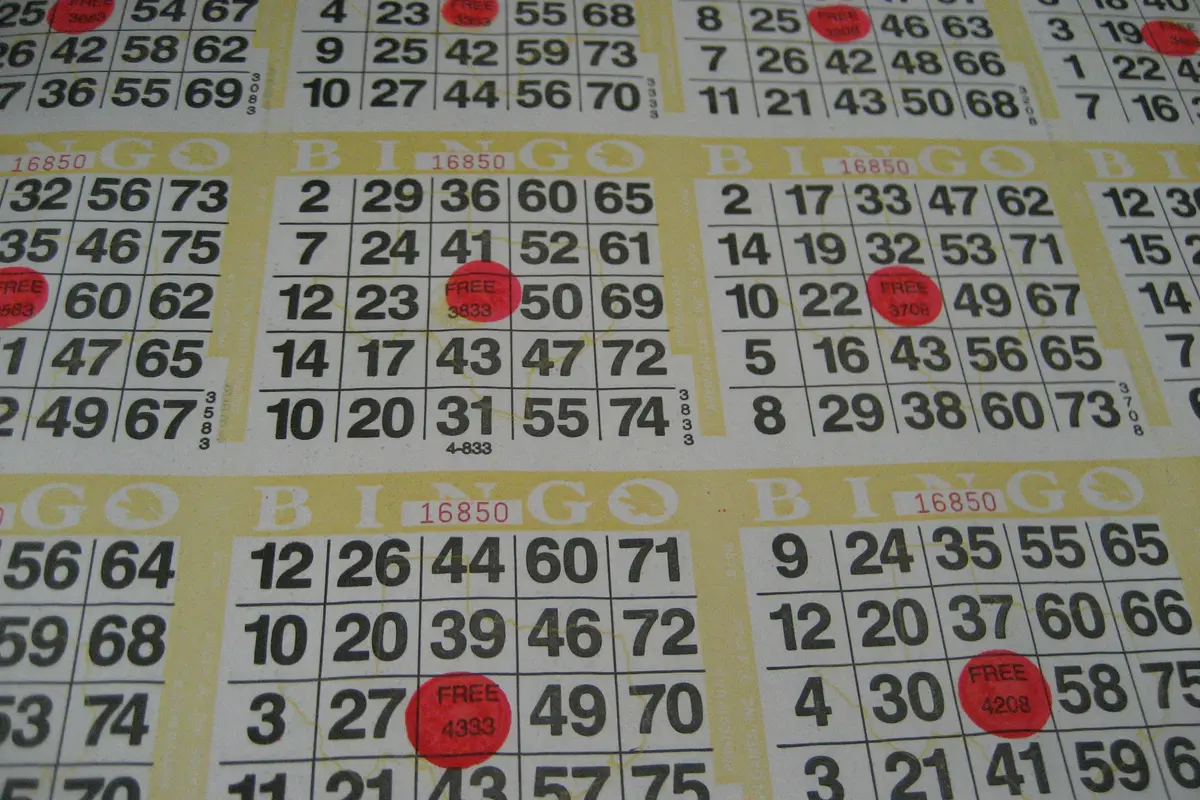
Bingo Plus 90-Ball Community Hall sits at #3 on the LNGY bingo index for April 2026 and represents the "value tier" for Filipino bingo players who want serious 90-ball pattern depth without the jackpot-chase pressure of weekly progressive pools. ₱30 per bingo card, 6-minute session cadence, ₱300,000 progressive bingo jackpot pool, and a chat community that skews younger and more mobile-first than the Jili Bingo halls. This deep review covers the 90-ball pattern matrix, value calculus per session, chat density observations, and how the room compares head-to-head with Jili Bingo 90-Ball Hall and Fa Chai 90-Ball Community Room.
Bingo Plus is operated by Leisure & Resorts World Corporation under PAGCOR licensing — the Philippine Amusement and Gaming Corporation regulatory framework that audits every certified online bingo operator on the LNGY index. The 90-Ball Community Hall RNG is independently audited and the progressive jackpot pool accounting is published in PAGCOR's monthly online bingo report.
Card pricing and 6-minute cadence
Card entry holds at ₱30 across the LNGY 90-day benchmark window. The room caps card buys at 6 per session — same cap as the Bingo Plus 75-Ball Speed Room, calibrated for mobile screen playability. At a typical 4-card buy, per-session spend lands at ₱120; at the 6-card cap, ₱180 per session.
The 6-minute cadence sits between the 5-minute Bingo Plus 75-Ball Speed Room and the 10-minute Jili Bingo 90-Ball Hall. Number-calling for 90-ball completes in 4-4.5 minutes; the remaining 1.5-2 minutes covers chat, card buys for the next session, and cash-outs. The cadence is the fastest 90-ball cadence on the LNGY index — Jili Bingo's 90-ball runs slower at 10 minutes precisely because Jili emphasises community storytelling between sessions, where Bingo Plus emphasises session throughput.
90-ball three-tier pattern matrix
Standard 90-ball bingo splits prizes three ways: one line (15% of pool), two lines (25% of pool), and full house / blackout (60% of pool). Bingo Plus 90-Ball Community Hall implements the standard split — no operator-side modification. Across a typical 200-player session at a ₱120 average per-player spend, total card-sale pool lands ₱24,000 → one-line winner takes ₱3,600, two-line winner takes ₱6,000, full-house winner takes ₱14,400. Three Filipino bingo players walk away with cash from each session.
The pattern matrix is the appeal. Unlike single-pattern blackout halls (where 199 of 200 players walk away empty-handed), the three-tier 90-ball structure spreads winnings across three players per session — Filipino bingo players see the win-frequency math stay favourable, even if the individual prize ceiling is lower than a coverall pool.
Value calculus per hour
At 6-minute cadence and 4-card buys, hourly card spend lands ₱1,200/hour for steady-state play. That's roughly 40% below Jili Bingo 75-Ball Hall (₱2,000/hour at typical 6-card play) and 50% below the jackpot-chase tier Filipino bingo players hit on Friday-night progressive pools (₱2,400+/hour with multi-card stacking).
For a Filipino bingo player on a ₱600 evening budget, Bingo Plus 90-Ball Community Hall stretches to a clean 30-minute session at 4 cards or 50 minutes at 2 cards. The room's value position is unambiguous — the cheapest sustained 90-ball bingo on any LNGY-indexed hall.
Progressive bingo jackpot pool (₱300k)
The ₱300,000 progressive bingo jackpot pool is shared across all Bingo Plus 90-ball halls. The pool seeds at ₱180,000 from operator rake; per-session card-sale contributions add ₱800-₱2,000. Trigger condition: full-house blackout in 42 calls or fewer — slightly looser than the 75-Ball Speed Room's 38-call trigger, but still a long-tail bonus, not a session goal.
LNGY observed three confirmed jackpot hits in the 90-day benchmark window across the full Bingo Plus 90-ball product line. Hit frequency is low; expected value per session sits well below the standard three-tier prize math. Filipino bingo players should treat the ₱300k pool as bonus framing — the daily product is the three-tier pattern math.
Chat room culture
Tagalog and English bingo moderators staff the hall 09:00-02:00 PHT. Chat density runs at 12-18 messages per minute during prime time — lower than Jili Bingo 75-Ball Hall (20-30 msg/min) but on par with Jili Bingo 90-Ball Hall. The community skews younger and more mobile-first than other LNGY-indexed halls; emoji and GCash sticker usage is high, longer storytelling messages are rare.
Filipino bingo players who prefer less formality and more mobile-native chat behaviour default here. The chat regulars include a substantial cohort of 25-35 year-olds who treat bingo as a wind-down evening activity rather than a primary social event. See our Filipino bingo chat room culture deep dive for the broader Tagalog banter pattern context.
Head-to-head: Bingo Plus 90-Ball vs Jili Bingo 90-Ball vs Fa Chai 90-Ball
- Bingo Plus 90-Ball Community Hall: ₱30 entry, 6-minute cadence, ₱300k progressive, mobile-first community, fastest 90-ball cadence.
- Jili Bingo 90-Ball Hall: ₱50 entry, 10-minute cadence, ₱420k Saturday Siyam-na-siyam progressive, high-density Tagalog community chat, deepest community storytelling.
- Fa Chai 90-Ball Community Room: ₱25 entry, 8-minute cadence, no progressive, smaller player base, niche regulars.
Bingo Plus 90-Ball Community Hall wins on cadence and value. Jili Bingo 90-Ball Hall wins on community depth and the Saturday weekly event. Fa Chai 90-Ball Community Room wins on absolute lowest card entry but lacks a progressive jackpot. See the Jili Bingo 90-Ball Hall review and the Saturday Siyam-na-siyam pool deep dive for the Jili-side detail.
Pros and cons
Pros:
- Fastest 90-ball cadence on the LNGY index at 6 minutes — best mix of session throughput and pattern depth.
- Value pricing at ₱30/card — 40-50% below jackpot-chase tier halls.
- Three-tier pattern math spreads winnings across three Filipino bingo players per session.
- ₱300k progressive bingo jackpot pool as a long-tail bonus.
- Mobile-first chat culture suits younger Filipino bingo players who prefer emoji and GCash sticker reactions.
- Operator runs under PAGCOR licensing with monthly published audit reports.
Cons:
- Chat density lower than Jili Bingo 75-Ball Hall — players who want heavy Tagalog storytelling should rotate to Jili.
- No equivalent of the Saturday Siyam-na-siyam weekly event — the Bingo Plus 90-ball product line is steady-rotation rather than event-driven.
- Chat closes at 02:00 PHT — no overnight Tagalog-only window like the 75-Ball Speed Room offers.
- Card cap at 6 limits aggressive multi-card stacking strategies.
FAQ
Q: Is Bingo Plus 90-Ball Community Hall PAGCOR-licensed?
Yes. Bingo Plus is operated by Leisure & Resorts World Corporation under PAGCOR's online bingo licensing framework. RNG and jackpot accounting are independently audited.
Q: How does the 6-minute cadence affect my bankroll?
At 4 cards per session, ₱120 per session × 10 sessions per hour = ₱1,200/hour burn rate. A ₱600 evening budget covers 30 minutes of steady play before any wins. Most Filipino bingo players see partial wins (one-line or two-line slices) every 4-6 sessions, which extends the practical evening to 50-90 minutes.
Q: Can I move winnings out via GCash?
Yes. Bingo Plus supports GCash deposit and withdrawal as the primary cash-out channel. Median withdrawal latency for amounts under ₱5,000 sits at 9 minutes; above ₱20,000 the operator runs a KYC review (2-6 hour latency, best routed through bank transfer instead). Our GCash bingo deposit patterns review breaks down the full latency tier structure.
Q: What's the best card-buy strategy for Bingo Plus 90-Ball Community Hall?
At ₱30 per card, 4 cards per session is the LNGY-recommended balance — covers enough card surface to hit one-line and two-line wins reasonably often without burning the evening budget on a single hour. New Filipino bingo players should start at 2 cards for the first 10-15 sessions to learn the pattern matrix before scaling up.
Q: How does the progressive jackpot trigger compare to the 75-ball room?
75-Ball Speed Room requires blackout in 38 calls or fewer; 90-Ball Community Hall requires full house in 42 calls or fewer. The 90-ball trigger is slightly looser but the ceiling is also higher (₱300k vs ₱180k pool).
LNGY verdict
The "first serious bingo hall" for Filipino bingo players graduating from casual social bingo. Low card cost, fast 90-ball session cadence, manageable learning curve for the pattern matrix, and a mobile-first chat community that suits the typical Filipino bingo player's evening rhythm. Pair Bingo Plus 90-Ball Community Hall with the Bingo Plus 75-Ball Speed Room for a daytime/evening rotation, or rotate weekly with Jili Bingo 90-Ball Hall for the Saturday Siyam-na-siyam community event. Open the LNGY-recommended Bingo Plus 90-Ball Community Hall to start playing.
Responsible play: Bingo is for players 21 and over. Set a deposit cap before each evening, never chase losses, and use the operator-side session-length and deposit-cap tools available in the Bingo Plus account dashboard. PAGCOR's responsible gaming portal lists structured self-exclusion options.
## More from our Pinoy casino network - [Top 5 PG Soft cluster-pay slots for PH players · April 2026 — STAS ranks Mahjong Ways 2, Lucky Neko, Caishen Wins, Treasures of Aztec, Dragon Hatch 2](https://stellarairportstores.com/news/top-5-pg-soft-cluster-pay-slots-ph-april-2026) - [Why Online Casino Revenue Keeps Growing in the Philippines](https://pkynt.com/news/pagcor-online-casino-revenue-q1-2026)